


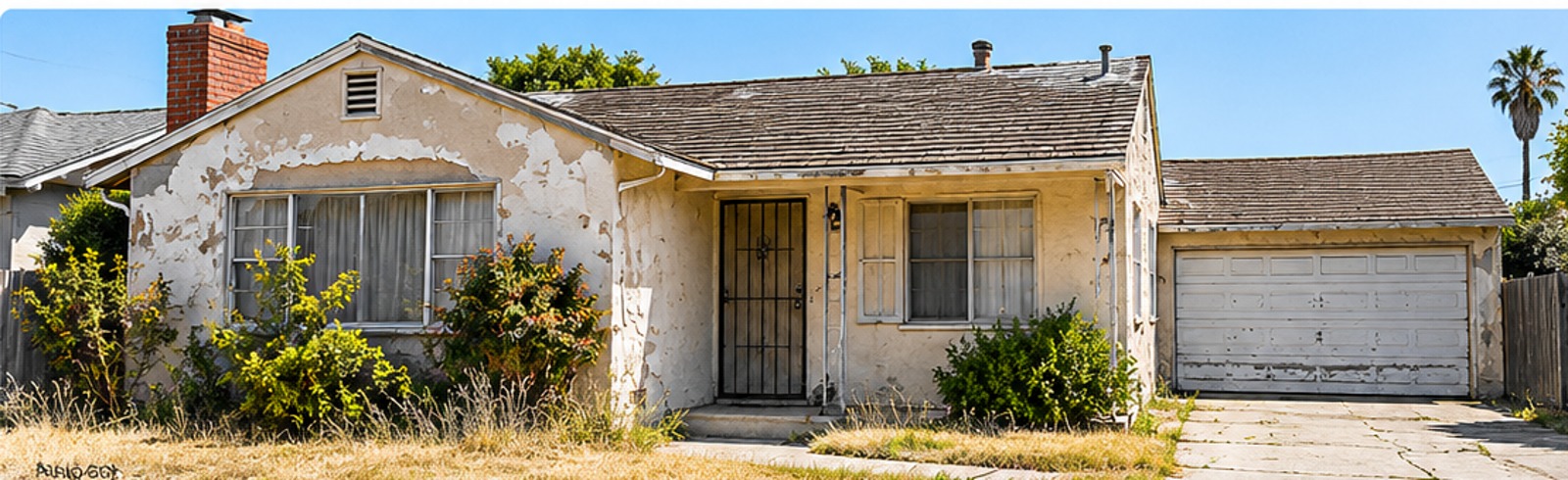
Inheriting a home can bring both treasured memories and difficult decisions. If you have inherited a house in Los Angeles County or elsewhere in Southern California, you may be asking: Can I sell it right away? Do I need probate? Will I owe taxes? And should I make repairs before listing?
There is no single answer for every family. The right plan depends on how the home was owned, whether the estate has been settled, the property's condition, and your financial goals. Here are the key issues to understand before making a decision.
1. Confirm who has the legal authority to sell
Before accepting an offer, find out how title is held. A property owned by a living trust, held with survivorship rights, or transferred using another legally valid arrangement may have a different process from a home that must pass through probate. A will does not automatically mean probate can be skipped.
When court probate is necessary, the court-appointed personal representative manages the estate. The representative's authority and any required approvals can affect when and how a home may be sold. A California probate attorney or qualified title professional can help confirm the next step.
For background, see the California Courts probate guide.
2. Understand the potential capital gains taxes
One important benefit of inheriting a property is that its federal income tax basis is generally adjusted to the home's fair market value as of the owner's date of death, subject to applicable exceptions and alternate valuation rules. This is often called a step-up in basis. It can substantially reduce the taxable gain compared with using the original purchase price.
Example: Imagine a parent bought a house decades ago for $90,000. Its fair market value at the parent's death is $700,000. If the heir later sells the house for $720,000, the starting point for calculating gain is generally the inherited basis near $700,000, not the old $90,000 purchase price. Eligible selling expenses, adjustments, and other facts affect the final taxable amount. This example is illustrative, not a tax estimate.
Inherited property sales can still trigger federal and California income taxes. Ask a qualified CPA or tax adviser for a date-of-death valuation and guidance before selling. See IRS Publication 551 and IRS guidance on inherited property sales.
3. Know how California Proposition 19 may affect property taxes
In California, inheriting a home does not always mean you can keep the prior owner's low property-tax assessment. Under Proposition 19, certain parent-child transfers of a qualifying family home may receive a reassessment exclusion when the recipient makes it a principal residence and meets filing and other requirements. In other cases, reassessment can occur.
Property tax reassessment is different from capital gains tax. If you plan to keep the home, move in, rent it, or sell it later, ask the county assessor about your circumstances. Visit the California State Board of Equalization's Proposition 19 information.
4. Decide whether to sell as-is or make repairs
Many inherited homes have deferred maintenance, outdated interiors, or belongings that need to be sorted. You do not necessarily have to renovate the property before selling it.
- Sell as-is: Often the simpler choice when the house needs extensive repairs, the estate has limited funds, or heirs live far away. California disclosure obligations can still apply.
- Make targeted improvements: Cleaning, landscaping, safety work, and selective cosmetic updates may improve market appeal without the cost of a full remodel.
- Complete a larger renovation: Potentially worthwhile for some properties, but only after comparing likely resale value, contractor costs, holding expenses, and the time involved.
A local broker can prepare an as-is price opinion and a realistic after-repair pricing comparison so you can evaluate your net proceeds rather than just the highest possible asking price.
5. Account for mortgages, liens, and holding costs
Before listing, identify any mortgage balance, reverse mortgage, property-tax delinquency, HOA obligations, liens, insurance needs, utility costs, and ongoing upkeep. If the property has a reverse mortgage, timelines and repayment requirements may be particularly important. Contact the loan servicer promptly, and coordinate with the estate's attorney and title company.
6. Work out an agreement when several family members inherit
When a home passes to multiple heirs, differences in financial needs and emotional attachment can complicate decisions. Establish early who has legal authority to act, whether the family wants to sell or retain the property, how expenses will be handled, and how net proceeds will be distributed. An attorney can advise where disagreement or title issues exist.
7. Put a local sales plan in place
For an inherited property in Los Angeles, Whittier, El Monte, Pomona, or surrounding Southern California communities, pricing should reflect the specific neighborhood, property condition, buyer demand, and legal sale requirements. A practical sales plan includes:
- Confirming ownership and the right to sell
- Reviewing comparable sales and current competition
- Estimating as-is value versus the return on possible repairs
- Calculating estimated net proceeds after costs and payoffs
- Planning for cleanout, photography, marketing, showings, and offers
- Coordinating with the attorney, escrow, and title company when needed
Serving Inherited-Property Sellers Across Los Angeles and the San Gabriel Valley
Whether you inherited a home in Los Angeles, Pasadena, South Pasadena, Alhambra, San Gabriel, Monterey Park, Rosemead, Temple City, Arcadia, Monrovia, Duarte, El Monte, South El Monte, Baldwin Park, West Covina, Covina, Glendora, Azusa, La Puente, Hacienda Heights, Rowland Heights, Walnut, Diamond Bar, Pomona, Whittier, Pico Rivera, Montebello, or El Sereno, I can help you understand local market conditions and evaluate your selling options. Every neighborhood and property condition is different, so an individual valuation matters.
Frequently asked questions about inherited homes
Can I sell an inherited house before probate is complete?
Sometimes a court-appointed representative can sell during probate, depending on their authority and the required procedures. Other properties can transfer without full probate. The specific title and estate documents control.
Do I have to live in the inherited house for two years to avoid capital gains taxes?
No. The inherited property's basis rules and the principal-residence exclusion are separate tax concepts. Moving in for two years does not automatically eliminate every taxable gain. Ask your tax adviser to evaluate both sets of rules.
Can I sell an inherited home with needed repairs or old belongings?
Often, yes. An as-is sale can be a practical option, provided required disclosures, access, title, and estate matters are properly handled. You should compare offers and estimated net proceeds before committing.
Inherited a Property in Southern California? Let's Discuss Your Options.
I'm Carlos Cornejo, Broker at REO Pro Realty. With more than 25 years of experience in real estate and distressed-property sales, I can help you evaluate your inherited home's market value, condition, selling options, and a strategy that fits your family's goals. Whether the house is move-in ready or needs major repairs, start with a straightforward conversation - without pressure or obligation.
Call (323) 864-3256 | ccornejo1541@yahoo.com | Request a confidential home-sale consultation
Carlos Cornejo | REO Pro Realty | California DRE #01260371
This article provides general real estate information, not legal or tax advice. Consult a California probate attorney, CPA, or other appropriate professional for guidance specific to your situation.